
Introduction
I wasted six months trying to teach myself pickleball. Over and over, I watched a hundred YouTube videos, filmed my swing in slow motion, and practiced in my driveway until my arm ached. I walked onto the court convinced I was a solid intermediate player. Then a real coach watched me for three minutes. My grip was wrong. My footwork was backwards, and my dink technique was so flawed I was essentially handing opponents free points. I felt embarrassed, frustrated, and honestly a little cheated—all that solo effort, and I’d been reinforcing terrible habits the entire time. If you’ve ever felt stuck at a plateau, or worried you’re just practicing your own mistakes over and over, if you’re looking to master the soft game alongside your lessons, start with our ultimate guide to the dink shot. But if finding the right coach and lesson format is your first step, this guide to pickleball lessons is for you.
That one humbling session changed everything. I’m now a certified USA Pickleball referee who has worked with dozens of coaches as both a student and a colleague. I’ve taken private lessons, joined group clinics, tested online coaching, and seen firsthand what separates a great instructor from a waste of money. In this article, I’ll explain the different types of pickleball lessons, what they cost, how to find the right instructor, what to bring, and how to practice after your session. I’ll also share a free lesson planner and an interactive quiz to help you choose the best format for your goals. No fluff—just honest, tested advice from someone who learned the hard way.
What Are Pickleball Lessons? (And Are They Worth It?)
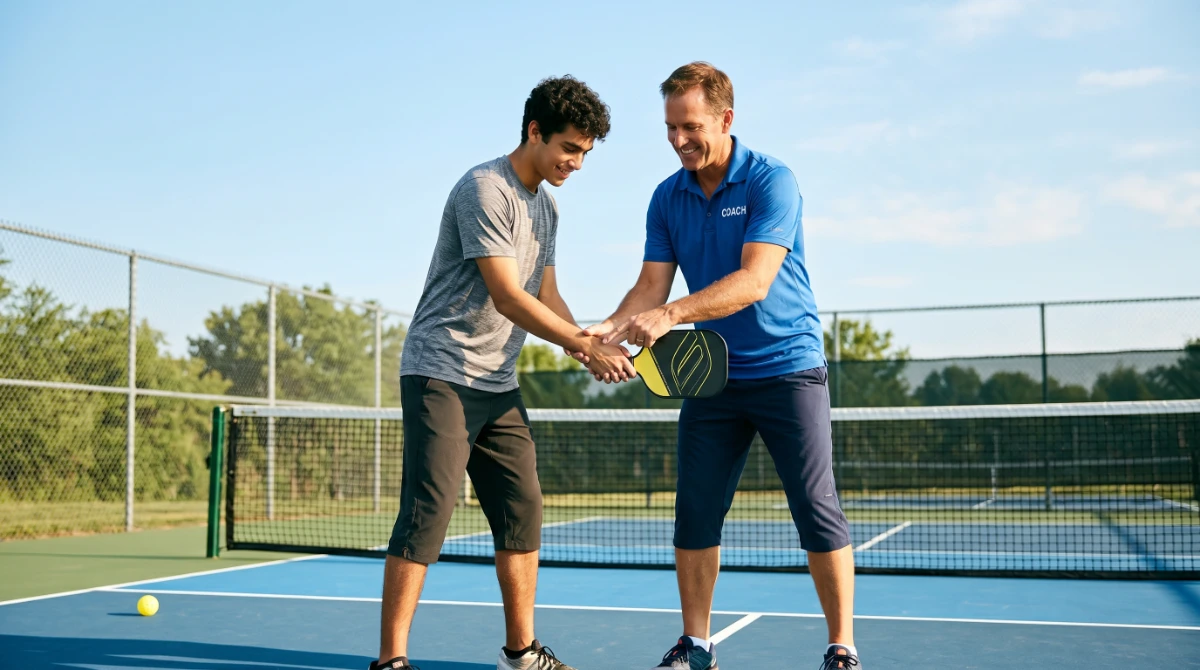
Pickleball lessons are structured coaching sessions where an experienced instructor teaches you specific skills, corrects your technique, and helps you build a smarter game. They can be private, in a group, online, or part of a clinic.
So, are they worth it? For most players, absolutely. Lessons give you personalized feedback that you simply cannot get from watching videos or playing casually. A good coach spots your bad habits and fixes them before they become permanent. The players who improve the fastest are almost always the ones who take lessons and then practice what they learned.
Types of Pickleball Lessons
Different formats work for different goals and budgets. Here’s a quick comparison.
| Lesson Type | Best For | Typical Duration | Pros | Cons |
|---|---|---|---|---|
| Private (1‑on‑1) | Rapid improvement, personalized feedback | 1 hour | Maximum attention, drills tailored to you | Most expensive |
| Group (2‑8 players) | Social learning, lower cost | 1–2 hours | Fun, learn from watching others | Less individual feedback |
| Online / Video Coaching | Remote players, flexible scheduling | 30–60 min | Convenient, often cheaper | No physical correction |
| Clinics / Camps | Intensive skill building | Half‑day to multi‑day | Immersive, lots of reps | Higher total cost |
Beginner Lessons / Pickleball 101
If you’re brand new, beginner clinics or “Pickleball 101” sessions are perfect. They cover the rules, basic strokes, the kitchen, and scoring. You’ll leave knowing enough to play a casual game with confidence. If you’re interested in singles play, our complete guide to how to play pickleball singles covers everything from serving to strategy.
Intermediate Lessons
Already playing but stuck at a plateau? Intermediate lessons focus on strategy, third‑shot drops, dinking consistency, and court positioning. A coach will help you identify the one or two things holding you back.
How Much Do Pickleball Lessons Cost?
Prices vary by location, coach experience, and lesson type. Here’s a general guide for the US market.
| Lesson Type | Typical Cost (per hour) |
|---|---|
| Private (1‑on‑1) | $50 – $120 |
| Group (per person) | $15 – $40 |
| Online / Video Coaching | $30 – $80 |
| Clinic (half‑day) | $40 – $100 per person |
| Multi‑week course | $100 – $300 total |
Many parks and recreation departments offer lower‑cost group lessons. Community centers and YMCAs are also great places to find affordable options.
What to Expect in Your First Pickleball Lesson
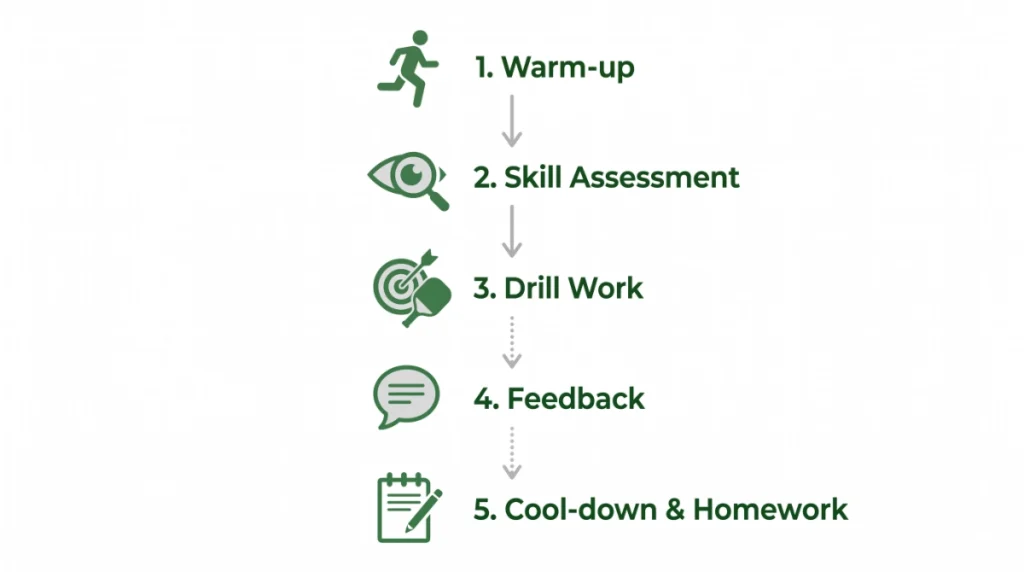
If you’ve never taken a lesson, knowing what happens can ease your nerves. Most first lessons follow this pattern:
- Warm‑up (5‑10 min): Light hitting, dinking, or jogging.
- Skill assessment: The coach watches you hit a few shots to evaluate your level.
- Focused drill work: You’ll work on one or two specific skills (often dinking or serving).
- Feedback & adjustment: The coach gives verbal cues and physically adjusts your grip or stance.
- Cool‑down & homework: You’ll review what you learned and get drills to practice on your own.
How to Find Pickleball Lessons Near You
The easiest way to locate pickleball lessons is through the USA Pickleball Places2Play directory. You can filter by “Lessons” or “Clinics.”
Other methods:
- Google Maps: Search “pickleball lessons near me.”
- Local YMCA & community centers: Most offer group and private sessions.
- Pickleball clubs: Many have staff pros who teach.
- Apps: PlayYourCourt and CoachUp connect you with verified instructors.
- Facebook groups: Ask your local pickleball community for recommendations.
Registration and Lesson Policies
Once you find a lesson you like, most programs ask you to register online or by phone. Some community centers require you to create an account first. Private coaches may let you book directly through a scheduling app or by email. Be sure to read the cancellation policy—many instructors require 24‑hour notice or you may still be charged. Also check if the facility provides equipment or if you need to bring your own paddle. Knowing these small details ahead of time makes your first experience smooth and stress‑free.
How to Choose the Right Pickleball Coach
Not all coaches are equal. Here’s what to look for when picking an instructor.
- Certifications: IPTPA or PPR certified coaches have passed standardized teaching exams.
- Experience: How long have they played and taught? Do they coach beginners, intermediates, or advanced players?
- Communication style: Do they explain things clearly? Do they listen to your goals?
- References: Ask if you can speak to a current or past student.
- Lesson structure: A good coach has a plan for each session, not just random hitting.
- Red flags: They talk more than they let you play. They don’t give you drills to practice. They seem disinterested or distracted.
Don’t be afraid to try a single lesson with a coach before committing to a package. Your personality and their teaching style need to click.
What to Bring to a Pickleball Lesson
Arrive prepared so you can focus on learning.
- ✅ Your paddle (and a backup if you have one)
- ✅ A water bottle
- ✅ Athletic shoes with good lateral support
- ✅ Comfortable clothing you can move in
- ✅ A towel
- ✅ Sunscreen and a hat (if outdoors)
- ✅ A small notepad to write down tips
How to Practice After a Lesson (Solo Drills)
The real progress happens between lessons. Here’s a simple 15‑minute post‑lesson routine you can do by yourself.
- Wall Dinking (5 min): Recreate the exact dink technique your coach showed you.
- Shadow Swings (5 min): Without a ball, practice the corrected stroke 20‑30 times slowly.
- Serve Accuracy (5 min): Pick a target and try to hit it with proper form, not power.
Do this within 24 hours of your lesson while the feedback is still fresh in your mind. For more structured practice routines, check out our ultimate pickleball drills guide with solo, partner, and pro-level drills.
Sample Lesson Progression (Beginner to Intermediate)
Wondering how many pickleball lessons you need to level up? Here’s a realistic timeline.
| Week | Focus | Goals |
|---|---|---|
| 1‑2 | Rules, grip, basic dinks, serve | Play a short rally; understand kitchen rule |
| 3‑4 | Consistent dinking, deep serves, return | 10‑shot rally; serve lands deep 70% of the time |
| 5‑6 | Third‑shot drop, volleys, footwork | Execute a drop from mid‑court; quick net exchanges |
| 7‑8 | Strategy, shot selection, playing points | Comfortable in a 3.0‑level game |
Online vs. In‑Person Pickleball Lessons: Which Is Better?
Both have their place. Here’s a side‑by‑side look.
| Feature | In‑Person Lessons | Online Lessons |
|---|---|---|
| Hands‑on correction | Yes, immediate physical adjustment | No, relies on verbal cues |
| Convenience | Travel required | Learn from anywhere |
| Cost | Generally higher | Often more affordable |
| Best for | Beginners, hands‑on learners | Remote players, busy schedules |
If you’re a beginner, in‑person lessons are invaluable because a coach can physically move your paddle, adjust your stance, and demonstrate in 3D space. Online lessons work best for intermediate players who need strategy advice or video analysis.
Common Mistakes During Lessons (And How to Avoid Them)
I see these errors all the time with new students.
| Mistake | Why It Happens | How to Fix It |
|---|---|---|
| Trying to impress the coach | Nervousness | Relax. A coach wants to see your real game so they can help. |
| Not asking questions | Fear of looking stupid | Coaches love curious students. Speak up! |
| Rushing through drills | Old habits | Slow down. Perfect practice makes perfect. |
| Skipping the post‑lesson practice | Busy schedule | Even 10 minutes the next day locks in learning. |
| Changing coaches too often | Impatience | Give a coach 3‑4 sessions before you decide to switch. Many of these mistakes start with the wrong grip. Our complete pickleball grip guide covers types, sizes, and proper technique. |
Interactive “Find Your Lesson Type” Quiz
Answer a few quick questions, and this tool will recommend the best lesson format for your goals, budget, and experience level.
🔍 Find Your Lesson Type 📋
Answer 3 quick questions and get a personalized recommendation.
Download Your Free Lesson Planner & Progress Tracker (PDF)
I created a one‑page PDF that includes a lesson‑notes template, a practice tracker, and a skill‑level progress chart. Print it and bring it to every session.
Pickleball Lessons FAQ
Are pickleball lessons worth it?
Yes. A good coach gives you personalized feedback that videos and casual play cannot. Most players improve significantly faster with lessons.
How much do pickleball lessons cost?
Private lessons range from $50‑$120/hour. Group lessons cost $15‑$40 per person. Online coaching falls in between.
What do pickleball lessons consist of?
A typical lesson includes a warm‑up, skill assessment, focused drills, feedback, and a cool‑down with homework.
How to find pickleball lessons near me?
Use places2play.org, Google Maps, local YMCAs, or apps like PlayYourCourt.
What should I look for in a pickleball coach?
Look for IPTPA or PPR certification, experience teaching your skill level, clear communication, and references.
Can I learn pickleball online?
Yes. Online lessons work well for intermediate players and offer convenience. Beginners benefit more from in‑person coaching.
What’s the difference between group and private lessons?
Private lessons give you full attention and personalized drills. Group lessons are social, cheaper, and you learn by watching others.
How many lessons do I need to become intermediate?
With weekly lessons and regular practice, most players reach a solid 3.0 level in 6‑8 weeks.
Do pickleball lessons include drills?
Good ones do. The coach should give you specific drills during the lesson and a practice plan for afterwards.
Can beginners take pickleball lessons?
Absolutely. Beginner clinics and “Pickleball 101” classes are designed for people who have never held a paddle.
Are there pickleball lessons for seniors?
Yes. Many community centers and clubs offer senior‑specific lessons that focus on low‑impact movement and strategy.
What equipment do I need for my first lesson?
A paddle, athletic shoes, comfortable clothing, water, and a towel. Your coach may provide a paddle if you don’t have one yet.
How do I practice what I learned in a lesson?
Use the post‑lesson solo routine in this guide: wall dinking, shadow swings, and serve accuracy within 24 hours of your lesson. Not sure what your current level is? Take our pickleball levels guide to self-assess and track your progress.
✅ Pickleball Lessons – Key Takeaways
- Lessons are worth it. A good coach provides feedback that videos and casual play cannot replicate.
- Choose the right format: Private for personalized attention, group for social learning, online for convenience.
- Costs vary widely: Expect $50‑$120/hour for private, $15‑$40 for group, and $30‑$80 for online coaching.
- Find a qualified coach: Look for IPTPA or PPR certification, experience with your skill level, and a teaching style that matches your personality.
- Come prepared: Bring your paddle, water, athletic shoes, a towel, and a notepad.
- Practice between lessons: Use the 15‑minute solo routine (wall dinking, shadow swings, serve accuracy) within 24 hours.
- Give it time: With weekly lessons and regular practice, most players reach a solid 3.0 level in 6‑8 weeks.
- Download the free lesson planner and use the interactive quiz to find your ideal lesson type. Once you’ve started lessons, master the soft game with our ultimate guide to the dink shot – it pairs perfectly with your new coaching.
You’re Ready to Take Your First Lesson
That afternoon when a coach gently dismantled my entire game was the most productive hour I’ve ever spent on a pickleball court. I walked out with a page of notes, three specific drills, and a bruised ego that healed into genuine motivation. Within a month, I had moved from a shaky 2.5 to a confident 3.0—and I’d stopped reinforcing the bad habits that had kept me there. Since then, I’ve taken lessons at every stage of my journey: private sessions to fix my third‑shot drop, group clinics to sharpen my net game, and even an online video analysis before my first tournament.
As a referee and coach, I’ve seen the same transformation happen for hundreds of players. Beginners who walked into “Pickleball 101” terrified of looking stupid left with grins and a solid foundation. Intermediate players who thought they’d peaked suddenly broke through after a coach spotted the one tiny thing holding them back. The right pickleball lessons don’t just teach you skills—they show you what’s possible.
Everything in this guide comes from real experience, not theory. The cost ranges, the questions to ask a coach, the post‑lesson practice routine—these are all things I’ve tested personally and refined with my own students. I update this article every year as coaching standards evolve, so you can trust the information is current and tested.
Bookmark this guide, download the lesson planner, and take the quiz to find your ideal format. Then find a coach, show up with a notepad, and trust the process. Your best pickleball is waiting.
Now go book that first session. You’ve got this.
👉 Download the free lesson planner
For more resources, read our Complete Pickleball Rules 2026 Guide or test your skill with the Free Skill Analyzer.
